
A real person
Talk to someone
Most of this site is written by one person. This page is about who she is, so that anyone deciding whether to reach out knows who they would be reaching out to.
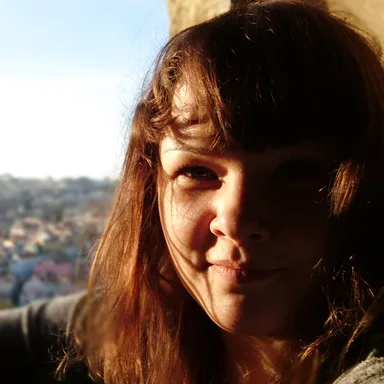
Laura Mallene
Laura is a violence-prevention educator and self-defence instructor working to make communities safer both on and off the mats. She is based in Estonia and holds a blue belt in Brazilian Jiu Jitsu.
She works daily with sexual and domestic violence prevention, running training and awareness programmes for children, young people and adults through her social enterprise KAIDSÕQ. Her workshops reach schools, kindergartens, workplaces and sports clubs across Estonia.
Her long-standing work on preventing gender-based violence has been recognised with the Violence Prevention Award, presented by the Estonian Ministry of Justice and President Kersti Kaljulaid. She has extensive experience supporting survivors of domestic violence, and has completed emotional first aid and other trauma-informed training.
She has also led a workshop — First Response: Supporting Survivors of Abuse in the BJJ Community — at an international Brazilian Jiu Jitsu camp.
Laura holds a Master's degree in Change Management in Society (cum laude) from the University of Tartu, and is completing the Estonian Olympic Committee Level 5 coaching qualification.
Every person deserves to feel safe, respected and supported — whether in sport, school, or everyday life.
What she wrote here
The guidance across this site is hers: what to do when someone tells you, what to do when it happens in your gym, if this happened to you, the fourteen myths and the manipulation patterns, and the safeguarding kit gyms can adopt.
Getting in touch
Laura is a first point of contact: someone to talk to if you are dealing with something difficult or unsafe in Brazilian Jiu Jitsu, and would rather start with a person who knows the sport.
You can write to her about
- boundaries being crossed, harassment or abuse;
- a concern about a coach or training partner;
- something that happened at training, an open mat, a camp or a competition;
- worrying about seeing someone again;
- not being sure whether what happened is something to be concerned about.
She can listen, help you think through your options, point you towards services or reporting routes, and help you work out what you might need to feel safer.
What she can’t do
- Investigate what happened, or decide whose account is right.
- Give legal or clinical advice.
- Mediate between the people involved.
- Act as an emergency service.
She won’t contact anyone else involved without talking it through with you first, unless there is an exceptional safety reason.
How long a reply takes
Laura does this as a volunteer, alongside her regular work. Expect a reply within two to three days, not straight away.
What stays private
What you tell her stays private as far as reasonably possible, but she can’t promise absolute confidentiality. If she learns of an immediate and serious risk of harm, she will need to help get it to someone who can act.
If someone under 18 is involved, that does not on its own mean she passes anything on. If there are reasonable grounds to believe a child is currently at risk of abuse or serious harm, she will need to take it to the appropriate safeguarding route and, where required, the authorities. She will normally tell you first what she needs to share, with whom and why — unless telling you could itself put the child at greater risk.
Whatever the situation, she shares only what the safety concern needs, never the whole conversation by default.